
“E se eu fosse inocente?”, Ricardo Serrano Vieira’s book on the triathlete case
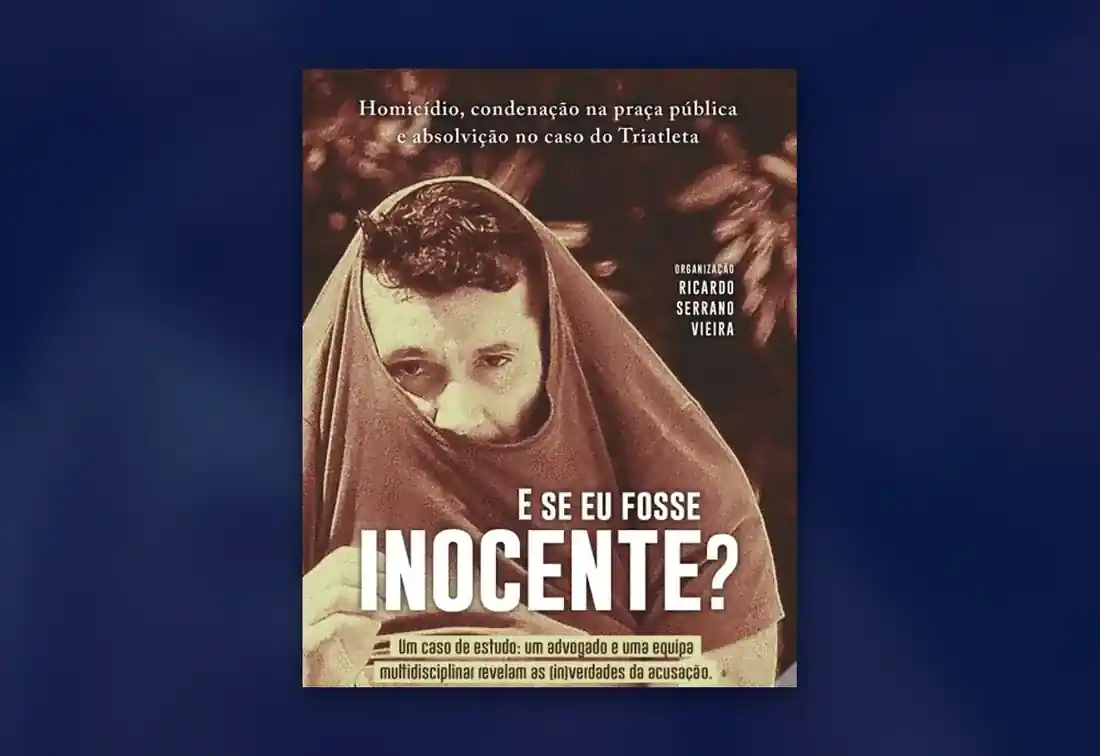
The defence of António Joaquim, condemned by public opinion before trial and later acquitted, told by the lawyer who led it. A book about the presumption of innocence, evidence and the weight of public opinion in a criminal case.
When António Joaquim was charged in the triathlete case, the trial had already begun outside the courtroom. Television, newspapers and social media had reached a verdict long before any evidence was tested in court. The presumption of innocence, guaranteed by law to every defendant, nearly vanished from the debate.
Ricardo Serrano Vieira took on the defence with a simple plan: pursue the truth methodically. He assembled a team of experts in ballistics, criminology, neuropsychological profiling and body language, and went through the prosecution case piece by piece. In the end, António Joaquim was acquitted.
“E se eu fosse inocente?” (What if I were innocent?) tells that story from the inside. It is a case study in how a criminal defence is built, in what happens when public opinion decides before the judges do, and in the value of a multidisciplinary team in a difficult case. It reads with the tension of a real case, but raises questions that apply to any trial.
Who it is for
Lawyers, law and criminology students, journalists, and anyone who follows justice stories in the press and wants to understand what lies behind the headlines. The question in the title is uncomfortable on purpose: what if it were you?
- Title
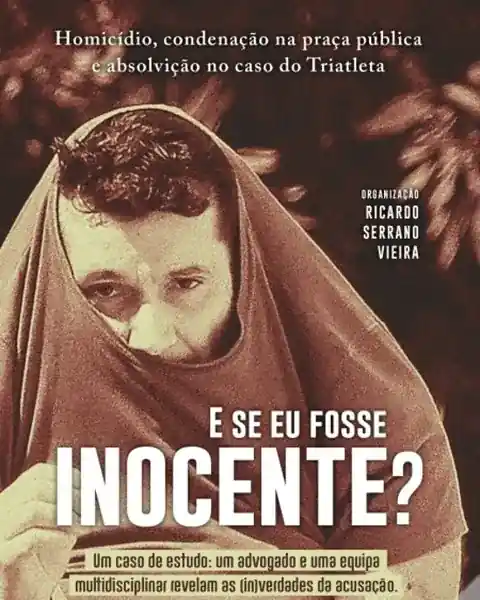
- E se eu fosse inocente? Homicídio, condenação na praça pública e absolvição no caso do Triatleta
- Edited by
- Ricardo Serrano Vieira
- Foreword
- Hernâni Carvalho
- Publisher
- Guerra & Paz, 2020
- Pages
- 176
- ISBN
- 9789897025402